
Truck accidents are among the most devastating types of motor vehicle collisions, often resulting in severe injuries, significant property damage, and even fatalities. The complexity of these cases, combined with the potential for multiple liable parties, makes it crucial for victims to seek the expertise of a truck accident lawyer. In this blog, we will delve into the role of a truck accident lawyer, their responsibilities, and how they can help victims secure fair compensation.
Understanding Truck Accidents
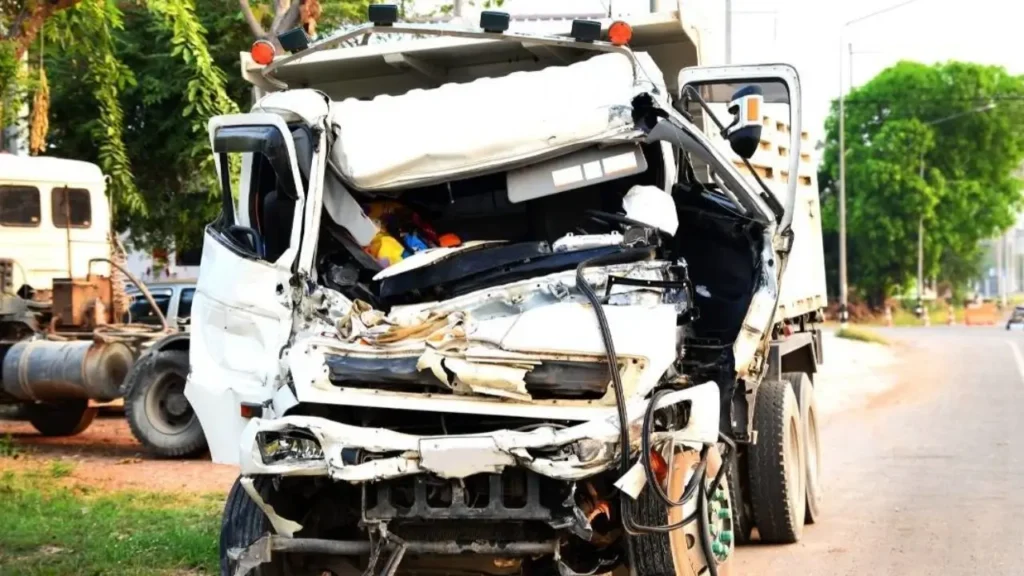
Truck accidents differ significantly from standard car accidents due to the size and weight of commercial vehicles. These factors can lead to more catastrophic damage and injuries. Moreover, truck accidents often involve multiple parties, including the truck driver, the trucking company, and sometimes even the vehicle manufacturer. This complexity necessitates the involvement of a skilled truck accident lawyer who can navigate these challenges effectively.
The Role of a Truck Accident Lawyer
A truck accident lawyer specializes in handling cases involving large commercial trucks, such as semi-trucks or 18-wheelers. Their primary goal is to help victims navigate the complex legal landscape surrounding truck accidents. Here are some key responsibilities of a truck accident lawyer:
Investigation and Evidence Collection: One of the most critical tasks of a truck accident lawyer is to conduct a thorough investigation of the accident. This involves gathering evidence such as police reports, medical records, witness statements, and data from the truck’s black box. The lawyer will also analyze maintenance logs and driver logs to determine if any negligence contributed to the accident.
Determining Liability: A truck accident lawyer must identify all potentially liable parties. This could include the truck driver, the trucking company, or even the vehicle manufacturer. Establishing liability is crucial for building a strong case and securing fair compensation.
Negotiations with Insurance Companies: Insurance companies often try to minimize their financial responsibility following an accident. A skilled truck accident lawyer will negotiate with these companies to ensure that victims receive the compensation they deserve. This includes drafting demand letters and countering lowball offers.
Representation in Court: If negotiations fail, a truck accident lawyer will represent clients in court. Their courtroom experience is invaluable in presenting a winning case and advocating for the victim’s rights.
Benefits of Hiring a Truck Accident Lawyer
Hiring a truck accident lawyer offers several benefits to victims:
Expertise in Complex Cases: Truck accidents involve complex regulations and multiple parties.[1] A truck accident lawyer has the expertise to navigate these complexities and ensure that all relevant laws are considered.
Maximizing Compensation: A truck accident lawyer can help victims secure fair compensation by identifying all potential damages, including medical expenses, lost wages, and pain and suffering.
Reducing Stress: Dealing with the aftermath of a truck accident can be overwhelming. A truck accident lawyer handles all legal aspects, allowing victims to focus on their recovery.
Choosing the Right Truck Accident Lawyer
When selecting a truck accident lawyer, it’s essential to consider their experience, reputation, and success rate in handling similar cases. Many firms offer free consultations, which can provide insight into their approach and expertise. Additionally, look for lawyers who work on a contingency fee basis, meaning they only charge if they win your case.
Conclusion
Truck accidents can be life-altering, but with the right legal representation, victims can navigate the complex legal process and secure the compensation they deserve. A truck accident lawyer plays a pivotal role in this process, from investigating the accident to representing clients in court. If you or a loved one has been involved in a truck accident, seeking the advice of a skilled truck accident lawyer is the first step towards justice and fair compensation.


